

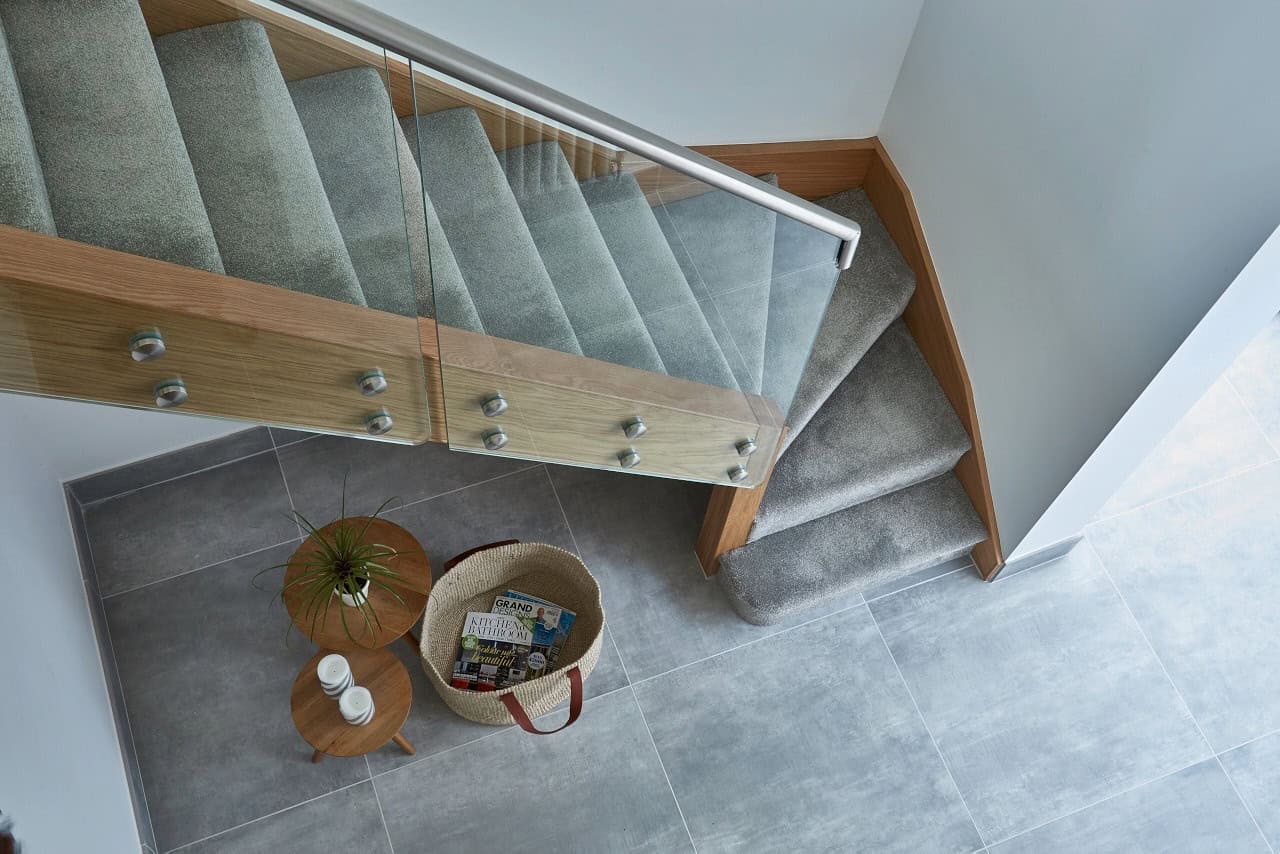
A creaking staircase is a familiar feature in many British homes, particularly older properties where timber stairs have been in place for decades. While the occasional squeak might seem harmless, persistent creaking can become frustrating, especially when every trip upstairs produces a series of unwanted noises. Understanding why stairs creak and how to resolve the problem can help homeowners maintain a quieter, safer and more comfortable living environment.
At Jarrods Staircases, we understand how important a well-built and properly maintained staircase is to any home. Whether you are experiencing problems with an existing staircase or considering a complete transformation, identifying the cause of creaking is the first step towards finding a lasting solution. In this guide, we explore the most common reasons stairs develop unwanted noises, the repairs that can help and when investing in a professional staircase renovation might be the better option.
What Causes Stairs to Creak?
Staircases are made up of several components that work together to provide a stable structure. In a traditional timber staircase, these include the treads, which are the horizontal surfaces you walk on, the risers, which are the vertical sections between steps, and the strings, which support the staircase along its sides.
Over time, these components can develop small gaps or become loose. When someone walks upstairs, their weight causes slight movement between the timber sections, creating friction and producing the familiar creaking sound.
Timber naturally expands and contracts in response to changes in temperature and humidity. During the colder months, when central heating is used more frequently, the air inside a property can become particularly dry. This can cause timber to shrink slightly, potentially creating gaps around joints and fixings.
Although these movements are often minor, they can gradually affect the staircase’s stability and contribute to increasingly noticeable creaking.
Why Do Older Wooden Staircases Creak More?
Older properties throughout the UK frequently feature timber staircases that have experienced decades of daily use. Even when originally constructed to a high standard, continuous foot traffic can gradually loosen fixings and weaken traditional joints.
Many older staircases were assembled using timber wedges, nails and adhesive. As these materials age, the connections between individual components can become less secure. Nails may loosen, adhesives can deteriorate and wedges may shift from their original positions.
Another common issue is the natural settlement of a property. As buildings move slightly over time, the surrounding structure can place additional pressure on staircase components, sometimes contributing to unwanted movement.
However, age alone does not necessarily mean a staircase needs replacing. Many older timber staircases remain structurally sound and can benefit from targeted repairs or professional refurbishment.
Can Changes in Temperature Make Stairs Creak?
Seasonal temperature changes can influence how much noise a wooden staircase produces. Timber is a natural material that responds to moisture levels in the surrounding environment, making it particularly sensitive to changes in indoor humidity.
During winter, central heating can reduce moisture levels inside the home, encouraging timber to contract. Conversely, higher humidity during warmer periods may cause the wood to absorb moisture and expand.
These repeated changes can gradually affect the tightness of joints between staircase components. As gaps develop, movement becomes more likely when pressure is applied to individual steps.
Maintaining relatively consistent indoor humidity can help reduce excessive timber movement. However, where joints have already become loose, additional repairs may be necessary to eliminate persistent creaking.
How Can You Identify Which Stair Is Creaking?
Before attempting any repairs, it is important to identify exactly where the noise originates. Although a staircase might appear to creak throughout its entire length, the problem may be limited to one or two individual steps.
Carefully walking up and down the staircase can help reveal which treads produce the most noticeable sounds. Pay attention to whether the creaking occurs towards the centre of a step or closer to its edges.
Noise coming from the centre may indicate movement between the tread and riser, while creaking near the sides could suggest an issue with the connection to the staircase strings.
If the underside of the staircase is accessible, inspecting the joints from below may reveal loose wedges, gaps or other signs of movement. However, avoid dismantling structural components without professional guidance, particularly where the staircase feels unstable.
How Do You Fix a Creaking Staircase?
The most appropriate repair depends on the cause of the noise, the staircase’s construction and the condition of its individual components.
For minor movement, carefully securing loose joints may be sufficient. Specialist timber adhesives, suitable fixings and replacement wedges can sometimes restore stability and reduce friction between components.
Where access is available beneath the staircase, repairs may involve reinforcing the connection between treads and risers using appropriately fitted timber blocks. These can help distribute pressure and minimise unwanted movement.
However, simply driving additional screws or nails into a staircase without understanding its construction can cause further damage. Incorrectly positioned fixings may split timber, interfere with existing joints or fail to address the underlying problem.
For this reason, more extensive repairs are often best handled by experienced staircase specialists who can assess the structure and recommend an appropriate solution.
Can You Stop Stairs Creaking Without Removing the Carpet?
Many British homes have carpeted staircases, which can make identifying and repairing creaking steps slightly more complicated. Nevertheless, removing the entire carpet is not always necessary.
Some minor repairs can be completed from underneath the staircase, provided there is suitable access to the affected components. This approach allows loose joints to be reinforced without disturbing the carpet or decorative finishes above.
Where underside access is unavailable, the carpet may need to be carefully lifted to expose the tread and riser connections. This provides an opportunity to inspect the timber and complete repairs more accurately.
Although specialist fixing systems are sometimes marketed for use through carpets, they are not suitable for every staircase. A professional assessment can help determine whether the problem can be resolved without removing existing floor coverings.
When Should You Consider a Staircase Renovation?
While minor creaking can often be repaired, there are situations where a more comprehensive approach offers better long-term value. If your staircase has widespread movement, damaged components or an outdated appearance, investing in a Staircase Renovation could provide a more satisfying solution.
Renovating an existing staircase can involve replacing worn treads, upgrading risers, installing contemporary balustrades or introducing new handrails. Depending on the condition of the original structure, these improvements can enhance both appearance and functionality.
At Jarrods Staircases, we understand that a staircase is much more than a practical connection between floors. It is often one of the first features visitors notice when entering a property.
A thoughtfully planned renovation can transform a tired staircase into an attractive architectural feature while providing an opportunity to address existing problems with movement, noise and general wear.
Could a New Staircase Be the Better Investment?
Sometimes, an existing staircase may have deteriorated beyond the point where straightforward repairs or renovation provide a practical solution. Significant structural damage, extensive timber deterioration or an unsuitable original design can make replacement worth considering.
Installing New Staircases allows homeowners to rethink the layout, materials and appearance of this important feature. A professionally designed replacement can improve everyday usability while complementing the surrounding interior.
Modern staircase designs offer considerable flexibility, from traditional timber construction to contemporary combinations of wood, glass and metal.
For homeowners looking to introduce a particularly striking feature, Floating Staircases can create an impressive sense of openness. Their carefully engineered designs provide a minimalist appearance, with steps that seem to project from the supporting structure.
Although floating staircases differ considerably from traditional enclosed designs, they still require precise construction, suitable structural support and secure connections to ensure dependable performance.
How Can Professional Staircase Services Help?
Every staircase is different, which means there is rarely a single solution that works for every creaking step. Construction methods, materials, age and previous alterations can all influence the most appropriate approach.
Professional Staircase Services can help homeowners understand whether their staircase requires minor repairs, a comprehensive renovation or complete replacement.
At Jarrods Staircases, we believe that successful staircase improvements should combine practical functionality with attractive design. Addressing existing problems provides an opportunity to consider how the staircase contributes to the wider home.
For example, replacing outdated balustrades or refreshing worn timber finishes can dramatically improve a hallway’s appearance without necessarily changing the entire staircase.
Professional guidance also helps ensure that proposed alterations account for relevant UK building regulations, structural requirements and everyday safety.
Can You Make Better Use of the Space Beneath Your Stairs?
When planning staircase improvements, it is worth considering the space underneath the structure. In many homes, this area is overlooked or used inefficiently, despite offering considerable potential for additional storage.
Thoughtfully designed Understairs Storage can transform an awkward space into practical cupboards, drawers, shelving or concealed compartments. These features are particularly useful in hallways where coats, shoes and household essentials can quickly create clutter.
Homeowners can also explore Custom Made Furniture to complement their staircase and surrounding interior. Bespoke cabinetry, fitted shelving and carefully designed storage units can help create a coordinated appearance while making better use of available space.
At Jarrods Staircases, we appreciate the importance of combining attractive craftsmanship with practical solutions that suit the way people use their homes.
How Can You Prevent Your Stairs from Creaking Again?
Although it is impossible to prevent every noise associated with a timber staircase, regular maintenance can reduce the likelihood of problems developing.
Keeping indoor humidity reasonably consistent can help minimise excessive expansion and contraction of timber components. Avoiding prolonged exposure to moisture is also important, particularly where wooden staircases are positioned close to poorly ventilated areas.
It is worth paying attention to changes in the staircase over time. A step that begins creaking more frequently, feels unusually flexible or develops visible gaps may require closer inspection.
Addressing minor issues early can prevent unnecessary deterioration and help preserve the staircase’s condition.
Homeowners should also avoid making structural alterations without appropriate expertise. Removing supporting components or modifying existing joints can compromise stability and potentially create more serious problems.
Transform Your Staircase with Jarrods Staircases
A creaking staircase does not automatically mean that a complete replacement is necessary. In many cases, unwanted noises develop because of loose joints, natural timber movement or years of everyday wear. Identifying the underlying cause can help determine whether a simple repair or more substantial improvement is required.
At Jarrods Staircases, we are passionate about helping homeowners make the most of their staircases. From refreshing traditional designs to creating beautiful contemporary installations, we understand how much difference the right staircase can make to a property.
If your existing stairs are showing signs of age or you are considering a completely new design, our team can help you explore the possibilities. With a focus on craftsmanship, functionality and attractive finishes, we can help you create a staircase that complements your home and remains a feature to be proud of for years to come. Contact us for a free consultation.